
How to recover from burnout after quitting is one of the most searched questions women ask in silence — usually at 2 a.m., staring at the ceiling, wondering why leaving the job that was destroying them didn’t actually make them feel better. ETEO Wellness — Ava is here to walk you through what actually happens to your body and mind after you quit, and why rest alone rarely gets you all the way back. By the end of this piece, you’ll have a clear, honest framework you can start using this week — no willpower required, no expensive programs, no hustle.
This article will help you:
- Understand why your nervous system stays stuck even after you quit — and what’s really going on
- Identify the most common mistakes women make in the first weeks after leaving a job
- Follow a step-by-step approach to nervous system recovery that doesn’t require willpower or a full schedule
- Know exactly when rest is enough — and when you need something different
- Walk away with 3 to 5 small daily actions you can start today, even if you’re still exhausted
Table of Contents
- 01 Why doesn’t rest fix burnout after quitting?
- 02 What actually happens to your nervous system when you quit?
- 03 What are the 5 most common recovery mistakes after leaving a job?
- 04 How to recover from burnout after quitting — a step-by-step approach
- 05 What does burnout recovery actually look like week by week?
- 06 FAQ — honest answers to the questions you’re too tired to Google
Why doesn’t rest fix burnout after quitting?

Key point: Recovering from burnout after quitting requires more than rest because burnout is a nervous system dysregulation state, not just tiredness. Sleep and time off reduce fatigue, but they don’t retrain a stress response system that has been running on overdrive for months or years.
You quit. You finally did it. You thought you’d wake up feeling lighter. Instead, you woke up feeling… nothing. Or worse — anxious, guilty, and somehow more exhausted than the day you handed in your notice.
That’s not a personal failure. That’s biology.
Burnout isn’t tiredness that sleep can fix. According to the World Health Organization, burnout is classified as a syndrome resulting from chronic workplace stress that hasn’t been successfully managed — specifically characterized by exhaustion, mental distance from the job, and reduced professional efficacy (WHO, 2019). The key word there is “chronic.” Chronic stress physically reshapes how your body regulates cortisol, your heart rate, your digestion, and your ability to feel safe.
Quitting removes the stressor. It does not automatically reset the system.
Think of it this way. If you’d been clenching your jaw every single day for two years, your jaw wouldn’t instantly relax the moment the stressful situation ended. Your muscles would stay tight. You’d need deliberate, consistent work to retrain them. Your nervous system operates the same way. It learned that the world was a threat. A resignation letter doesn’t convince it otherwise — not immediately.
So if you’ve been lying on the couch for two weeks wondering why you still feel terrible, you’re not broken. You’re working with a body that hasn’t received the all-clear signal yet.
Rest does matter. You cannot heal without it. But rest is step one — not the whole plan.
The women who get stuck are the ones who wait to feel better before doing the small things that actually create recovery. They rest, feel maybe 20% better, expect 100%, then panic that something is deeply wrong with them, and spiral. Sound familiar?
Real recovery — truly learning how to recover from burnout after quitting a job — involves three layers: physical depletion, nervous system dysregulation, and identity grief. Most advice only addresses the first layer. That’s why most advice leaves you stuck.
A note from Ava Bennett: When mình quit the job that burned me out, I gave myself a “reset week” and expected to feel ready to go by day eight. I genuinely could not understand why I still felt hollow. What mình eventually learned — through a lot of reading, a lot of trial and error, and one very honest conversation with a health practitioner — was that my body had been in a state of low-grade threat response for so long that calm actually felt wrong.
Quiet made me more anxious, not less. That’s a nervous system pattern, not a character flaw. The fix wasn’t more rest. It was learning to feel safe in my own body again, one tiny signal at a time.
What actually happens to your nervous system when you quit?
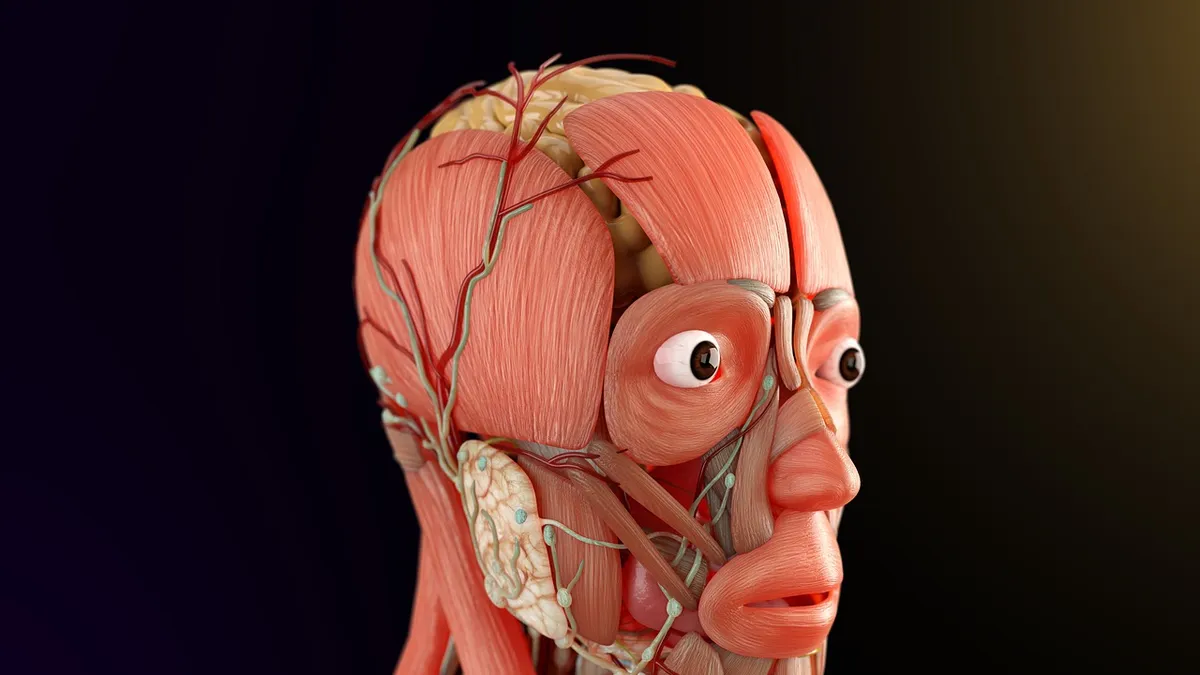
Key point: Burnout dysregulates the autonomic nervous system — the part that controls your stress response. After chronic overwork, the nervous system stays in a high-alert state even after the stressor is removed. Recovery requires active nervous system regulation, not passive waiting.
Here’s what nobody tells you about the weeks after quitting.
Your autonomic nervous system (ANS) — the part of your brain and body that decides whether you’re safe or in danger — does not read your resignation letter. It reads your body. For months, maybe years, your body sent it one consistent signal: threat.
High cortisol in the morning. Shallow breathing at your desk. A stomach that knotted every Sunday night. A heart that raced when your manager’s name appeared in your inbox. These weren’t just feelings. They were physiological events, happening repeatedly, training your ANS to stay in a sympathetic state — what most people call “fight or flight.”
According to Simply Psychology, prolonged activation of the stress response system can disrupt cortisol rhythms, impair sleep quality, and reduce the efficiency of the immune system (Simply Psychology, 2023). When you quit, the external trigger disappears. Your body’s learned response stays.
This is why so many women describe a strange in-between period after leaving a stressful job. They feel neither relieved nor recovered. Numb, flat, or weirdly more anxious. That flatness has a name: it’s sometimes called the “burnout crash” phase. The adrenaline keeping you functional is gone. What’s underneath is a depleted, dysregulated system that hasn’t learned it’s safe yet.
The good news? Your nervous system is trainable. Small, repeated signals of safety — through breath, movement, sleep, and social connection — actually do retrain it over time.
The harder truth: this doesn’t happen in a week.
Research on stress and recovery consistently points to the same conclusion: recovery from burnout involves biological restoration, not just behavioral rest. If you’re recovering from burnout and depression simultaneously, the timeline and approach get even more layered. That’s why mình recommend also reading through how to recover from burnout and depression when getting up is hard, especially if getting out of bed still feels impossible most mornings.
Science corner: The Global Wellness Institute notes that chronic workplace stress affects multiple biological systems simultaneously — sleep, immunity, hormonal balance, and mental health — which is why single-axis interventions like sleep alone rarely produce full recovery (Global Wellness Institute, 2023). Addressing multiple systems at once, even with low-effort approaches, produces faster results than resting and waiting.
What are the 5 most common recovery mistakes after leaving a job?

Key point: The most common mistakes women make after quitting to recover from burnout — including total inactivity, rushing back to productivity, and skipping nervous system work — can extend recovery from weeks to many months. Knowing these patterns in advance helps you sidestep them.
You’re going to read this section and recognize yourself in at least two of these. That’s okay. Mình did all five.
Regular tiredness resolves with a good night’s sleep. Burnout does not. Treating them the same way leads to the “I’ve rested for two weeks, why do I still feel awful?” spiral that keeps women stuck for months. Burnout recovery requires active intervention in the nervous system — not just passive downtime on the couch.
Counterintuitively, complete unstructured time can actually increase anxiety in people recovering from burnout. Your nervous system is dysregulated. Without any anchors in the day — a loose morning routine, a walk, a meal at the same time — it has nothing to predict. Unpredictability reads as threat. Light structure is protective, not restrictive. That distinction matters.
The pressure to have a new plan — a business, a pivot, a full reinvention — within weeks of quitting is enormous. Social media makes it worse. Trying to build something new while your prefrontal cortex is still offline from exhaustion is genuinely counterproductive. Strategic thinking requires cognitive bandwidth you simply don’t have yet. The ideas can wait a few weeks.
Social withdrawal feels protective when you’re depleted. But human connection is one of the most powerful nervous system regulators available. Even low-effort, low-stakes contact — a walk with a friend, a 10-minute phone call — produces biological effects via oxytocin and vagal tone that no amount of solo rest can replicate. You don’t have to perform wellness. You just have to show up briefly.
If your job was a significant part of who you were — your title, your team, your sense of contribution — leaving it involves a real loss. Pushing straight to “fresh start” energy leaves that grief unprocessed. It usually shows up later as low motivation, irritability, or a vague sense that something is wrong even when things look fine on paper. Name the grief. Then you can move through it.
This is also where recovering from burnout while unemployed gets financially complicated — which is its own separate pressure. If you’re currently without income as well as without energy, how to recover from burnout while unemployed and broke addresses that specific situation with more honesty than most wellness content does.
Not sure where you are in your recovery?
Ava Bennett’s guide at ETEO Wellness — Ava covers the full burnout-to-soft-life roadmap — honest, step-by-step, and built for women who are tired of advice that assumes they have unlimited time and money.
How to recover from burnout after quitting — a step-by-step approach
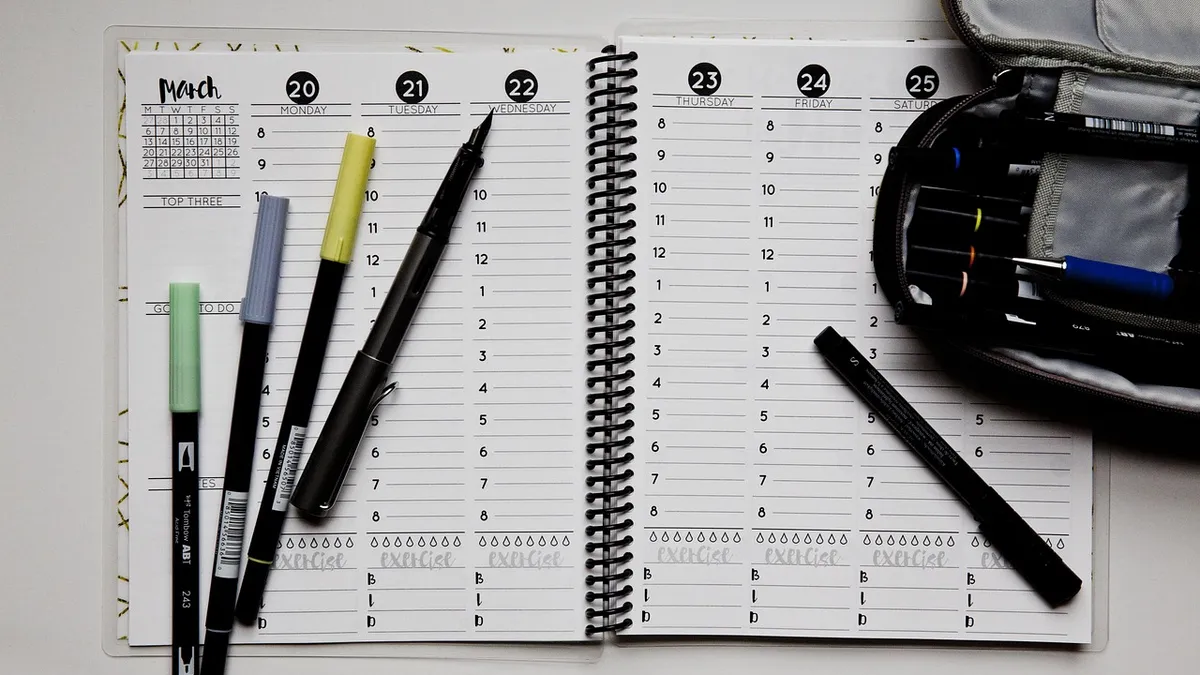
Key point: Recovering from burnout after quitting a job follows a specific sequence: physical stabilization first, then nervous system regulation, then identity rebuilding, then gradual re-engagement. Skipping steps or going out of order slows the whole process significantly.
Here are the steps that actually move the needle — in order. The sequence matters as much as the steps themselves.
- Stabilize your sleep anchor first
- Add one physical signal of safety per day
- Reintroduce loose daily structure (not a schedule)
- Process the identity shift deliberately
- Reconnect with one low-stakes social anchor
- Begin light, values-based planning only when energy returns
Stabilize your sleep anchor first
Your body’s cortisol rhythm is almost certainly disrupted right now. Irregular sleep makes every other recovery effort significantly less effective — that pattern is well documented in stress research, though individual variation is real.
Pick one consistent wake time and hold it for two weeks, even on days you feel awful. Not a perfect sleep schedule. Just one anchor point. That single decision starts resetting your circadian rhythm, which in turn begins normalizing your cortisol curve. Small but foundational.
Add one physical signal of safety per day
Your nervous system learns from body signals, not from good intentions. One deliberate physical regulation practice per day — slow nasal breathing for five minutes, a 10-minute walk outside, cold water on your face in the morning — sends repeated “safe” signals to your ANS.
Not because these things are magic. Because repetition changes the default setting. Pick the one that feels least annoying, do it at the same time each day, and let consistency do the work.
Reintroduce loose daily structure
Not a 6 a.m. morning routine. Not a color-coded planner. Three loose anchors: a consistent wake time, one meal you sit down for without a screen, and a rough “end of day” signal — closing your laptop, a short walk, anything that marks the transition.
That’s genuinely it. These anchors give your nervous system predictability. Predictability is one of the fastest nervous system regulators available to you, and it costs nothing.
Process the identity shift deliberately
This is the step most people skip. It’s also the one that comes back to haunt them. If your job defined a significant part of your identity — your competence, your social world, your sense of contribution — then leaving it involves a real grief process.
Journaling, talking to someone you trust, or even just naming it out loud (“I’m grieving who I was at that job”) does more than it has any right to do. You don’t have to resolve it. You just have to stop pretending it isn’t happening.
Reconnect with one low-stakes social anchor
This doesn’t mean throwing yourself back into networking or group activities. It means one person, low effort, no performance required. A walk with a friend who already knows what you’re going through. A standing phone call with your sister.
The bar for “counts” is very low here. The goal is human co-regulation, which activates your vagal nerve in ways solo recovery genuinely cannot.
Begin light, values-based planning only when energy returns
You’ll know energy is returning when you start having genuine curiosity about something — a project, an idea, a conversation that doesn’t exhaust you. That’s the signal. Not a timeline on a calendar.
When that happens, the next step isn’t immediately applying for jobs or launching something new. Instead, ask: what do I actually want my days to feel like? What matters? Let those answers shape what comes next, rather than grabbing the first opportunity that resembles what you left.
If you’re navigating this while also managing kids who still need everything from you, the step sequence above gets considerably more complicated. How to recover from burnout as a parent when kids still need everything covers how to adapt each of these steps when you genuinely cannot do them in full — which describes most parents.
A note from Ava Bennett: The step mình resisted longest was step four. I kept thinking I’d deal with the identity piece “once I felt better.” What mình didn’t realize was that unprocessed identity grief was one of the main reasons I wasn’t feeling better. The first time I wrote down “I miss who I was there, even though that place was hurting me” — mình cried for about an hour. Then felt fractionally lighter. That’s not a solution. But it was the beginning of one.
What does burnout recovery actually look like week by week?

Key point: Burnout recovery after quitting typically follows a non-linear pattern — initial relief, then a crash period, followed by slow and irregular improvement. Most women begin to notice meaningful shifts between weeks 6 and 12, though this varies significantly based on how long the burnout was active and whether chronic stress compounded it.
Here’s a realistic picture. Not a promise — a pattern.
The table below outlines what recovery often looks like in broad phases. Keep in mind that the timeframes are not universal: recovery from burnout and chronic stress depends heavily on duration, severity, and individual biology. These phases give you a map, not a guarantee.
| Phase | Approximate timeframe | What you might feel | What actually helps |
|---|---|---|---|
| Relief / crash | Weeks 1–2 | Numb, flat, oddly more anxious than before quitting | Sleep anchor, no pressure to feel better yet |
| Physical depletion | Weeks 2–4 | Deep fatigue, brain fog, poor concentration, emotional swings | Loose structure, physical safety signals, gentle movement |
| Identity limbo | Weeks 3–8 | Unclear sense of self, low motivation, grief for old role | Journaling, low-stakes social connection, identity processing |
| Early regulation | Weeks 6–12 | First moments of genuine calm, occasional energy, interest returning | Continuing physical regulation, start light values exploration |
| Rebuilding | Months 3–6+ | Clearer sense of direction, lower baseline anxiety, more consistent energy | Gradual re-engagement, intentional decisions about what’s next |
If you’re further along and wondering whether your burnout has shifted into something chronic, that distinction is worth making. How to recover from chronic burnout — why a weekend off won’t cut it goes deeper into what happens when burnout has been active long enough to change your baseline.
One thing worth saying plainly: there will be good days followed by terrible days. That’s not regression. That’s how nervous system recovery actually works. The trend matters, not the individual day.
Also: if you’ve reached week four with zero sign of improvement — still unable to get out of bed, still feeling empty in ways that feel more than physical — please talk to a healthcare provider. What presents as burnout can sometimes overlap with depression, and the approaches diverge significantly at that point. Don’t wait it out alone.
Picture waking up six weeks from now. Not fixed. Not transformed. Just a little more yourself. Mornings that don’t feel like survival. A day where something sounds interesting. That’s the realistic early marker of recovery — and it’s more achievable than you probably believe right now.
5 things to remember about how to recover from burnout after quitting
- Rest is the foundation, not the full plan. Physical depletion needs rest — but nervous system dysregulation and identity grief need active, deliberate work on top of it.
- Anxiety getting worse after quitting is normal. Your ANS associated stillness with threat. That pattern eases with consistent regulation practice, not with more waiting.
- The identity grief is real. Skipping the emotional processing of who you were at that job quietly extends your recovery by weeks or months.
- Loose structure protects you. Complete unstructured time increases anxiety in a dysregulated nervous system — three soft daily anchors are enough to make a meaningful difference.
- Meaningful shifts usually begin between weeks 6 and 12. If nothing improves by week four, seek professional support — burnout and depression can overlap, and they require different approaches.
- Recovery from burnout after quitting is non-linear. Expect good days followed by setbacks — the trend matters far more than any single day.
For anyone who wants a structured week-by-week roadmap rather than just principles, the honest 8-week burnout recovery plan Ava Bennett followed lays it out in the kind of detail that’s actually usable when your brain is still foggy.
Ready for the step-by-step plan?
The 8-week recovery guide at ETEO Wellness — Ava maps out exactly what to do — and when — so you stop guessing and start moving forward.
FAQ — honest answers to the questions you’re too tired to Google

Key point: The most common questions about recovering from burnout after quitting center on timeline, whether rest is enough, how to handle brain fog, and what to do when anxiety gets worse after leaving — all of which have honest, practical answers that don’t require expensive interventions.
How long does it take to recover from burnout after quitting your job?
There’s no single number, and anyone who gives you one is oversimplifying. Most people notice the first meaningful shifts between 6 and 12 weeks — but full recovery, especially from burnout and chronic stress combined, often takes three to six months or longer. Duration depends on how long the burnout was active, whether depression is involved, and how consistently you’re doing the nervous system regulation work rather than only resting. This reflects common patterns across recovery research, not a universal rule — individual variation is real.
Is it normal to feel more anxious after quitting a stressful job?
Yes. This is one of the most disorienting parts of early recovery, and almost nobody talks about it. When your nervous system has been running on threat-mode for a long time, stillness can feel wrong. The absence of urgency actually triggers more anxiety — because your ANS associates calm with “something must be about to go wrong.” It typically eases as you practice deliberate nervous system regulation consistently. If it intensifies or doesn’t ease within a few weeks, speak with a healthcare provider.
How much rest do you actually need to recover from burnout?
More than a week, less than forever — and rest alone won’t finish the job. Rest addresses physical depletion but not nervous system dysregulation or identity grief. Think of rest as the foundation: necessary but insufficient on its own. Most people need a few weeks of genuine rest — no productivity pressure, adequate sleep, low stimulation — before their body is ready for the active regulation work that drives deeper recovery.
What helps burnout brain fog after quitting?
Brain fog after burnout is primarily a result of cortisol disruption and sleep irregularity affecting prefrontal cortex function. The most supported approaches are: consistent sleep timing (same wake time daily), brief daily physical movement, reducing ultra-processed food intake, and decreasing screen use in the first and last hour of the day. These aren’t glamorous. They work slowly. They do work. Reading how to recover from burnout and fatigue covers this in more detail.
Can you recover from burnout without quitting, or do you have to leave?
Many people do recover without quitting — it requires removing or significantly reducing the specific stressors within the job while simultaneously doing the nervous system work. That’s genuinely harder to achieve while staying employed, because the stressor is still present every day. It’s not impossible, but it usually demands a meaningful change in role, hours, or environment. If the stressors are structural and unchangeable, staying tends to prolong recovery rather than shorten it.
References
- World Health Organization — Burn-out an “occupational phenomenon”: International Classification of Diseases (2019)
- Simply Psychology — The Biology of Stress: Cortisol, the HPA Axis, and Chronic Stress Effects (2023)
- Global Wellness Institute — Workplace Wellness and Chronic Stress: Global Wellness Economy Monitor (2023)
Important note: Every person’s body and circumstances are different. The information in this article reflects Ava Bennett’s personal experience and general wellness research — it is not medical advice. If you’re experiencing symptoms that overlap with depression, a prolonged inability to function, or anything that concerns you, please consult a qualified healthcare professional before relying on any self-directed recovery approach.
Để lại một bình luận