How to recover from burnout in motherhood is one of the most searched — and least honestly answered — questions online right now. Most articles hand you a list of self-care tips and call it a day. ETEO Wellness — Ava takes a different approach: practical, no-hype guidance built on lived experience, so you can start feeling like yourself again without overhauling your entire life. Read this to the end and you’ll walk away with five tiny shifts you can try before tonight. They work precisely because they don’t demand willpower you no longer have.
This article will help you:
- Understand why burnout in motherhood hits differently — and why “just rest” rarely fixes it
- Identify the one nervous-system reset you can do in under two minutes, anywhere
- Stop the biggest mistake most burned-out moms make (it quietly makes exhaustion worse)
- Build a tiny recovery routine that survives the chaos of a real day with kids
- Know exactly when burnout has crossed into something that needs professional support
Table of Contents
- 01 What does burnout in motherhood actually feel like?
- 02 Why does motherhood burnout take so long to recover from?
- 03 What’s the biggest mistake burned-out moms make when trying to recover?
- 04 Five tiny shifts that actually help you recover from burnout in motherhood
- 05 When should you get professional help for parental burnout?
- 06 Frequently asked questions about recovering from burnout as a mom
What does burnout in motherhood actually feel like?
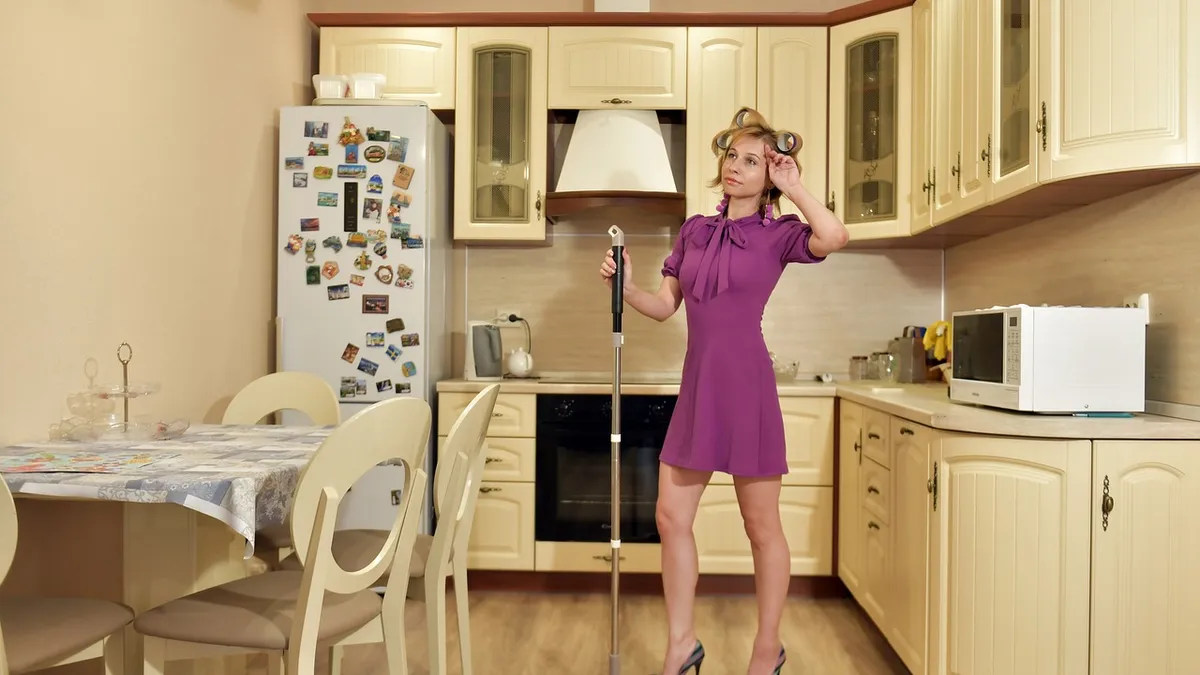
Key point: Maternal burnout is a state of physical and emotional exhaustion caused by chronic caregiving stress with insufficient recovery. It’s distinct from regular tiredness: the hallmark is emotional detachment from your children — loving them deeply while feeling almost nothing when they call your name for the fifteenth time.
It’s 6:47 a.m. Your toddler has been awake since 5:15. The baby is on your hip. You haven’t had a hot cup of coffee in four days. And somewhere between refilling the sippy cup and unloading the dishwasher, you realize: you’re not sad exactly. You’re just… gone.
That flatness — that specific numbness where you’re doing all the right things and feeling almost none of it — is what maternal burnout actually looks like up close. It’s not dramatic. It doesn’t announce itself. Instead, it arrives slowly, and then all at once.
Researchers who developed the Parental Burnout Assessment (Roskam, Brianda & Mikolajczak, published in Clinical Psychological Science, 2018) identified four core symptoms: overwhelming exhaustion in the parenting role, emotional distancing from your children, a persistent sense of ineffectiveness as a parent, and a painful contrast with who you used to be as a mother. These aren’t character flaws. They’re the predictable result of chronically giving more than you’re getting back.
Here’s what makes it confusing: you probably still love your kids deeply. You’d walk through fire for them. But right now, when they crawl into your lap at 7 p.m., part of you is calculating how many minutes until bedtime. That gap between love and presence is the hallmark of burnout — not bad parenting.
Picture a mom who’s been running on empty for eight months. She’s organized, functional, rarely misses a pediatric appointment. From the outside, she looks fine. By the time she acknowledged burnout, though, she had lost any sense of what she actually enjoyed. That’s the hidden cost nobody warns you about. Burnout doesn’t just drain your energy. It quietly erases your sense of self.
So if you want to understand how to recover from burnout in motherhood, you first have to name it correctly. Because “I’m just tired” and “I’m burned out” require completely different responses — and treating one like the other is exactly where most recoveries stall.
Expert note from Ava Bennett: The detail that finally landed for me wasn’t the exhaustion. I’d been dismissing that for months. It was the morning I picked up my favorite book and couldn’t care less about opening it. Burnout steals your ability to want things. That’s the signal I missed the longest.
Why does motherhood burnout take so long to recover from?

Key point: Motherhood burnout recovers slowly because the stressor — your child’s needs — doesn’t pause during recovery. Unlike burnout from a job you can quit, parental burnout demands that you continue caregiving while your nervous system is still locked in a chronic stress response. This is why rest alone rarely works.
So if rest doesn’t fix burnout, what does? That’s the question that changed everything for me.
The answer lives in your autonomic nervous system (ANS) — the part of your body that runs a background “threat or safe” calculation you’re never consciously aware of. Chronic caregiving stress keeps the ANS leaning toward sympathetic activation, the fight-or-flight state, even when no immediate danger exists. Think of it as a car engine that never drops below 5,000 RPM. Over months, the system burns through its reserves. That’s burnout at the biological level. Not weakness, not laziness, not failure to meditate enough.
Here’s the specific problem for mothers. Most burnout recovery advice was designed around work burnout, where you can draw a hard boundary between “work time” and “not work time.” A 14-month-old doesn’t respect your parasympathetic recovery window. The stressor is also the person you love most. So your nervous system never gets the “all clear” signal it needs to shift into genuine rest.
This explains why a weekend off, or even a full week’s vacation, rarely cures parental burnout. Your body goes on the trip. Your alert system stays home, monitoring everything. If you’ve ever come back from a break feeling exactly as tired as when you left — that’s this, playing out in real time.
What actually moves the needle is training micro-recovery moments inside the chaos rather than waiting for an uninterrupted block of calm that isn’t coming. According to the Global Wellness Institute’s 2023 Global Wellness Trends Report, nervous-system literacy — the ability to read your own stress state and intervene in real time — is emerging as one of the core skills in sustainable wellbeing.
Translation: you don’t need a spa day. You need a two-minute reset you can do in your bathroom with the door locked.
If you’re also navigating the specific kind of burnout that comes from never being able to stop giving to others, there’s a deeper dive in how to recover from burnout when you can’t stop giving to everyone else — it addresses the emotional mechanics behind people-pleasing exhaustion in a way this article can’t fully cover.
What’s the biggest mistake burned-out moms make when trying to recover?

Key point: The biggest mistake burned-out mothers make is treating recovery like another task on the to-do list — scheduling self-care as a performance, then feeling guilty when they don’t “do it right.” This adds a second layer of stress on top of the original burnout and actively slows nervous system repair.
You book the yoga class. You stress about being late. You leave early to get dinner started. You end more activated than when you walked in. Productivity-mode self-care isn’t recovery. It’s burnout wearing a face mask.
The nursing mom who decides she’ll fix her burnout once the baby sleeps through the night. The working mom who plans to “reset over Christmas break.” That time never comes — and meanwhile the deficit deepens. Recovery has to start in the life you have now, not the life you’ll have later.
When life gets overwhelming, the first things to go are usually the tiny pleasures: the ten minutes of reading, the walk without the stroller. These feel selfish. They are, in fact, the fuel. Removing them accelerates the burnout spiral.
Burnout recovery doesn’t have a standard timeline. It depends on how long the depletion built up, your baseline nervous system regulation, your current support level, and whether the stressor has reduced at all. Comparing yourself to a friend who “bounced back in a month” is like comparing healing timelines for two different injuries.
Mình made Mistake 1 for almost a year. I turned recovery into a performance. I journaled the “right” way, did the bath with the expensive salts, felt nothing. Then I resented myself for feeling nothing. The thing that actually started moving me forward was embarrassingly small — I’ll get to it in the next section.
Worth naming here: if you’re dealing with burnout that built up over years rather than months, the recovery arc looks quite different. how to recover from chronic burnout when a weekend off won’t cut it breaks down exactly why long-term depletion requires a longer runway — and what that runway actually looks like.
Want a soft starting point that doesn’t demand anything of you?
ETEO Wellness — Ava is built for women who are already exhausted and need honest, low-effort guidance — not another program that requires willpower to begin.
Five tiny shifts that actually help you recover from burnout in motherhood

Key point: Recovering from burnout in motherhood doesn’t require overhauling your schedule. Stress physiology research supports micro-recovery — brief, repeated moments of nervous system downregulation — as more effective than infrequent large rest events when caregiving stress is ongoing and unavoidable.
What if the thing you need fits in the gaps you already have? That’s not toxic positivity. That’s how nervous system regulation actually works: in small, repeated doses rather than single large events.
Below are the five shifts that genuinely moved the needle for me, and for the women in this community who’ve shared their experience. Try one today. Not all five.
The two-minute physiological sigh (a real technique, not a vibe)
A double inhale through the nose, followed by a long slow exhale through the mouth. Neuroscience research from Stanford has described this breath pattern as one of the fastest ways to shift the ANS out of sympathetic overdrive. Two minutes, in any room, with your kids present — you don’t need quiet, you just need air.
Most moms who try this say the exhale is the hard part. They’ve been holding tension in their chest so long that a full exhale feels genuinely strange. That strangeness is exactly the point.
Name the one thing that made you you before kids — then do three minutes of it today
Not a full practice. Not a hobby you’re committing to. Just three minutes. Burnout erases identity slowly, and identity restoration is one of the documented recovery components in parental burnout research (Roskam, Brianda & Mikolajczak, 2018, Clinical Psychological Science). You’re not rebuilding yourself from scratch. You’re leaving a trail of breadcrumbs back to yourself.
The mom who used to draw: three minutes of doodling on a receipt. The one who ran: three minutes with headphones on the driveway. The specificity matters — “something relaxing” is too vague for a depleted brain to act on.
Stop apologizing for your hunger — literally
Burned-out mothers are chronically under-fueled. Eating properly falls behind everything else. This isn’t about a wellness diet. It’s about blood sugar and cortisol, which work directly against each other. When blood sugar drops, cortisol rises. When cortisol is already elevated from chronic stress, that spike amplifies the anxiety, the snapping, the overwhelm.
Eating a real meal before 10 a.m. is genuinely part of recovery — not an indulgence. Mình ate crackers standing at the counter for a solid six months before I connected those 3 p.m. crashes to my morning “I’ll eat later.”
Let one thing be “good enough” — visibly, out loud
Not in your head. Out loud, or in writing. “The laundry is good enough.” “Dinner from a box is good enough tonight.” Acceptance and Commitment Therapy (ACT) research describes cognitive defusion — creating distance from perfectionist thoughts — as a key mechanism in stress recovery. Saying it externally is a different neurological act than thinking it. It feels weird at first. That’s the signal it’s working.
Replace one “should do” scroll with a “want to” five minutes
Social media designed for engagement keeps your nervous system in a low-level alert state. The infinite scroll triggers novelty-seeking and comparison — which looks like relaxation but registers in your body as stimulation. Replacing even one five-minute scroll session with something genuinely restorative (sitting outside, rereading a paragraph of a book you love, stretching without a YouTube instructor telling you what to do next) compounds over weeks.
It’s not about quitting your phone. It’s about one swap. That’s genuinely enough to start.
Expert note from Ava Bennett: The shift that surprised me most was Shift 4. I thought saying “good enough” out loud would feel defeatist. Instead it felt like putting down something heavy I’d been carrying with both hands. The mess didn’t change. My cortisol did. That distinction is the whole game.
The table below maps each shift to the specific recovery mechanism behind it. Use it to prioritize based on where you’re most depleted right now:
| Shift | Primary mechanism | Time required | Works even when… |
|---|---|---|---|
| 1. Physiological sigh | ANS downregulation | 2 minutes | Kids are in the room |
| 2. Three minutes of “you” | Identity restoration | 3 minutes | No childcare available |
| 3. Eat before 10 a.m. | Cortisol–blood sugar regulation | 10 minutes | Morning is already chaotic |
| 4. Say “good enough” out loud | Cognitive defusion / perfectionism detach | 30 seconds | Everything feels like it’s on fire |
| 5. One scroll swap | Nervous system stimulation reduction | 5 minutes | You have no other “me” time |
If you’re managing burnout while still working full time, the logistics look different. The piece on how to recover from burnout without quitting your job — 5 things that helped me runs through exactly how these micro-shifts stack into a workday that still has deliverables in it.
Key takeaways — burnout in motherhood:
- Maternal burnout is a nervous system state, not a character flaw — it requires physiological recovery, not just willpower
- Rest alone rarely works because the caregiving stressor doesn’t pause during recovery
- Micro-recovery moments inside daily chaos outperform occasional large “self-care” events
- The physiological sigh, identity restoration, and blood sugar regulation are the three fastest-acting shifts
- Professional support is appropriate and necessary when burnout includes crisis-level symptoms — seeking it is wisdom, not defeat
When should you get professional help for parental burnout?

Key point: Seek professional support when burnout includes persistent thoughts of escape that frighten you, significant anger you cannot interrupt, physical symptoms lasting more than two weeks (insomnia, chest tightness, appetite changes), or any felt sense that you are genuinely unsafe with your children.
These signals indicate the nervous system has moved beyond what self-guided tools can address.
Reading to this point, you might be thinking: “This all sounds manageable — but what if it isn’t?” That’s an honest question worth sitting with.
The five shifts above are appropriate for moderate burnout — the kind where you still have some capacity, some enjoyment of things, some ability to function. They are not designed to replace professional support for clinical depression, anxiety disorders, postpartum mood episodes, or burnout that has crossed into genuine crisis.
The World Health Organization (2019) classifies burnout as an occupational phenomenon rather than a medical condition, but acknowledges that it frequently co-occurs with depression and anxiety disorders that do require clinical intervention. The line between burnout and depression isn’t always obvious from the inside. A licensed therapist or your primary care physician can help you draw it.
There are specific markers that signal “get professional support now” rather than “try harder with self-care.” Pay attention if any of these feel true:
- You feel you might harm yourself or your children
- You feel no warmth toward your children for weeks at a time — not just a difficult hour or a bad day
- You cannot get out of bed or care for basic functions
- You’re using substances to cope
- You’ve tried several weeks of consistent self-care with no change at all
None of these mean you’ve failed. All of them mean the nervous system needs more support than a blog post — or a loving friend — can provide. Please reach out to a mental health professional, your OB/GYN, or your primary care provider.
If your burnout began or intensified after leaving a job or a major life change, there’s a piece that speaks directly to that situation: how to recover from burnout after quitting — why rest doesn’t always fix it explores why the relief of stopping something doesn’t automatically trigger recovery.
Important note: Every person’s body and circumstances are different. The information in this article reflects personal experience and general wellness research — it is not medical advice and does not replace consultation with a licensed healthcare provider. If you’re experiencing symptoms of depression, postpartum mood disorder, or any mental health crisis, please contact a qualified professional.
Frequently asked questions about recovering from burnout as a mom

How long does it take to recover from burnout in motherhood?
Recovery timelines vary significantly based on how long burnout built up and whether caregiving demands have reduced at all. Many people report meaningful improvement in emotional flatness within four to eight weeks of consistent micro-recovery practices. Full restoration of energy and sense of self, however, can take several months. There’s no universal timeline — and comparing yourself to others usually slows recovery rather than helping it.
Can I recover from burnout while still doing everything I’m doing?
Partially. If the load is genuinely unsustainable, something has to shift — either external demands reduce, support increases, or both. That said, you can meaningfully reduce the nervous system cost of the same workload by targeting how you respond to stress rather than only how much you do. The micro-recovery approach buys real ground even before anything external changes.
Is mom burnout the same as postpartum depression?
No — they overlap but are distinct. Postpartum depression is a clinical mood disorder with a specific hormonal and neurological basis, typically emerging within the first year after birth. Maternal burnout is a depletion state driven by chronic caregiving stress and can develop at any stage of parenting, not just postpartum. Both deserve professional evaluation. Neither should be dismissed as “just tired.”
What’s the fastest thing I can do right now to start recovering from burnout as a parent?
The physiological sigh described in Shift 1 is the fastest on-ramp because it requires no preparation, no childcare, and no good mood. Do two rounds right now: double inhale through the nose, then a long slow exhale through the mouth. That’s not a joke. That’s where learning how to recover from burnout in motherhood actually starts — a single two-minute moment that tells your nervous system the emergency is temporarily over.
Does burnout as a mom affect women differently than burnout from work?
Research suggests yes. Parental burnout carries a specific layer of guilt and identity threat that occupational burnout typically doesn’t — because the role you’re exhausted by is also the role you’ve built your identity around. That emotional complexity makes it harder to name, harder to admit, and harder to address without also examining the expectations about what motherhood is “supposed to” feel like.
You don’t have to figure this out alone.
ETEO Wellness — Ava shares the real, unfiltered tools that helped me recover from severe burnout — tiny, low-effort, and actually sustainable for a life that doesn’t pause for you to heal.
References
- World Health Organization — Burn-out an “occupational phenomenon”: International Classification of Diseases (2019)
- Global Wellness Institute — 2023 Global Wellness Trends Report (nervous system literacy as an emerging wellness priority)
- Simply Psychology — Parental Burnout: Symptoms, Causes and Recovery
- Roskam, Brianda & Mikolajczak — A Step Forward in the Conceptualization and Measurement of Parental Burnout: Clinical Psychological Science (2018)
Để lại một bình luận